
Building Your Own Private AI Infrastructure
In today's digital age, AI is transforming industries. Businesses are increasingly adopting AI to gain a competitive edge.However, data privacy concerns are growing. Organizations need solutions that protect sensitive information.
Private AI infrastructure offers a promising answer. It allows companies to control their data and AI models.This control enhances data privacy and security. It also provides customization options tailored to specific needs.
Building a private AI infrastructure involves several steps. From hardware setup to software integration, each step is crucial.Enterprise AI tools play a vital role in this process. They streamline AI development and deployment.
Scalability is another key consideration. As data grows, infrastructure must adapt.Compliance with regulations is essential. Organizations must adhere to data protection laws.This guide will explore the benefits, challenges, and steps involved in building a private AI infrastructure.
Understanding Private AI Infrastructure
Private AI infrastructure is a tailored setup designed for specific organizational needs. It's an internal system that companies build to handle AI workloads securely.
This infrastructure keeps sensitive data on-premises. Thus, it offers a higher level of data control compared to public systems.
Key elements include hardware, such as powerful processors, and specialized AI software tools. Together, they facilitate effective AI model training and deployment.
Enterprises favor private AI to meet their data privacy and security requirements. They also seek customization options that public options might not provide.
A private setup reduces dependence on third-party services. This can result in cost savings over time.
Organizations also benefit from improved data compliance. Regulations like GDPR are easier to navigate with in-house control.
In the following sections, we'll delve deeper into the nature of private AI infrastructure. We'll explore its benefits and compare it to public alternatives.

What Is Private AI Infrastructure?
Private AI infrastructure represents a company's internal AI ecosystem. It encompasses all required hardware and software for AI operations.
Unlike public setups, it's secured within the organization's premises. This reduces risks of data breaches and unauthorized access.
With private AI, companies retain full control over their AI models. This control enables them to customize tools and systems according to specific needs.
Overall, it helps businesses maintain data sovereignty and ensure privacy, aligning with modern ethical standards.
Private vs. Public AI Infrastructure
Both private and public AI infrastructures offer unique benefits. Knowing these can guide businesses in selecting the right model.
Private infrastructure provides enhanced security and control. However, it requires substantial initial investment and ongoing maintenance.
On the other hand, public infrastructures offer convenience and scalability without large upfront costs. Yet, they come with potential data privacy risks.
- Private AI: Enhanced security, full control, customizable.
- Public AI: Easy scalability, lower initial costs, less control.

Choosing between them depends on an organization's specific needs. Consider factors such as data sensitivity, control, and budget when making a decision.
Key Benefits of Private AI Infrastructure
Building a private AI infrastructure can transform the way organizations handle data. It offers several advantages that boost overall business operations.
First, it enhances data privacy and security. When data stays in-house, it minimizes exposure to external risks.
Organizations retain full control over their AI systems. This control allows for extensive customization and integration with existing IT frameworks.
Private AI solutions also support compliance with data protection regulations. Enterprises can align operations with standards like GDPR and HIPAA.
Cost efficiency is another significant benefit. While initial investments are substantial, the long-term savings can be notable.
Protecting intellectual property becomes easier with a private approach. Sensitive data and proprietary models remain out of third-party hands.
Key benefits include:
- Improved data security and privacy
- Full customization and control
- Enhanced compliance with regulations
Implementing private AI infrastructure prepares businesses for more efficient, secure, and compliant data management.
Enhanced Data Privacy and Security
One of the primary advantages of a private AI infrastructure is the enhanced data privacy it provides. Sensitive information remains within the organization, reducing the risk of breaches.
Security measures, such as encryption, bolster defenses against unauthorized access. This ensures that only authorized personnel can handle critical data.
Organizations can implement robust access controls tailored to their specific needs. This tailored security framework protects against potential threats more effectively.
Regular audits and monitoring are essential. They help in identifying vulnerabilities and ensuring that the systems are up to date.
- Data encryption
- Tailored access controls
- Regular audits and monitoring
Ultimately, a private AI infrastructure offers robust security, safeguarding valuable data assets.
Customization, Control, and Compliance
A private AI infrastructure gives enterprises unparalleled control over their systems. This control extends to the ability to customize AI tools for specific business needs.
Customized solutions can integrate seamlessly with existing technologies. This results in smoother workflows and better efficiency.
Compliance is easier with a private infrastructure. By controlling data storage and processing locally, companies can meet stringent regulations.
Industries like healthcare and finance, where data regulations are tight, benefit greatly. These sectors require adherence to rigorous standards, which private AI setups can facilitate.
- Seamless integration with existing systems
- Enhanced regulatory compliance
- Tailored customization for industry needs
Organizations choosing this route can create a more responsive, regulation-compliant AI ecosystem.
Cost Efficiency and Intellectual Property Protection
Private AI infrastructure involves significant initial setup costs. However, long-term financial benefits can outweigh these expenses.
By not relying on third-party services, operating costs often decrease. Companies save on recurring fees associated with public services.
Protecting intellectual property becomes easier with a private infrastructure. Proprietary data and innovations remain secure within the organization.
This protection is crucial for businesses aiming to maintain a competitive edge. It ensures exclusive technology and strategies aren't compromised.
- Reduced third-party service costs
- Secured proprietary data
- Improved competitive edge through IP protection
The financial investments in private infrastructure often lead to sustainable and profitable operations, safeguarding both data and innovations.
Core Components of Private AI Infrastructure
Building a robust private AI infrastructure requires several core components. These elements ensure the system is efficient, secure, and scalable.
The choice of hardware is crucial. CPUs, GPUs, and TPUs work to deliver the power needed for intensive AI tasks. Storage solutions, such as SSDs, help in handling large datasets quickly.
Networking and connectivity are vital for data transfer and system integration. A fast, reliable network ensures seamless communication within the infrastructure.
Software forms the backbone of operations. Enterprise AI tools orchestrate data flow and analytics, making complex AI functions possible.
Each component must integrate well with others. This harmony ensures the infrastructure operates smoothly and efficiently.
Investing in these components upfront saves time and resources later. It prepares the infrastructure for future AI innovations.
Key components include:
- Hardware: CPUs, GPUs, TPUs, storage
- Networking and connectivity
- Software and enterprise AI tools
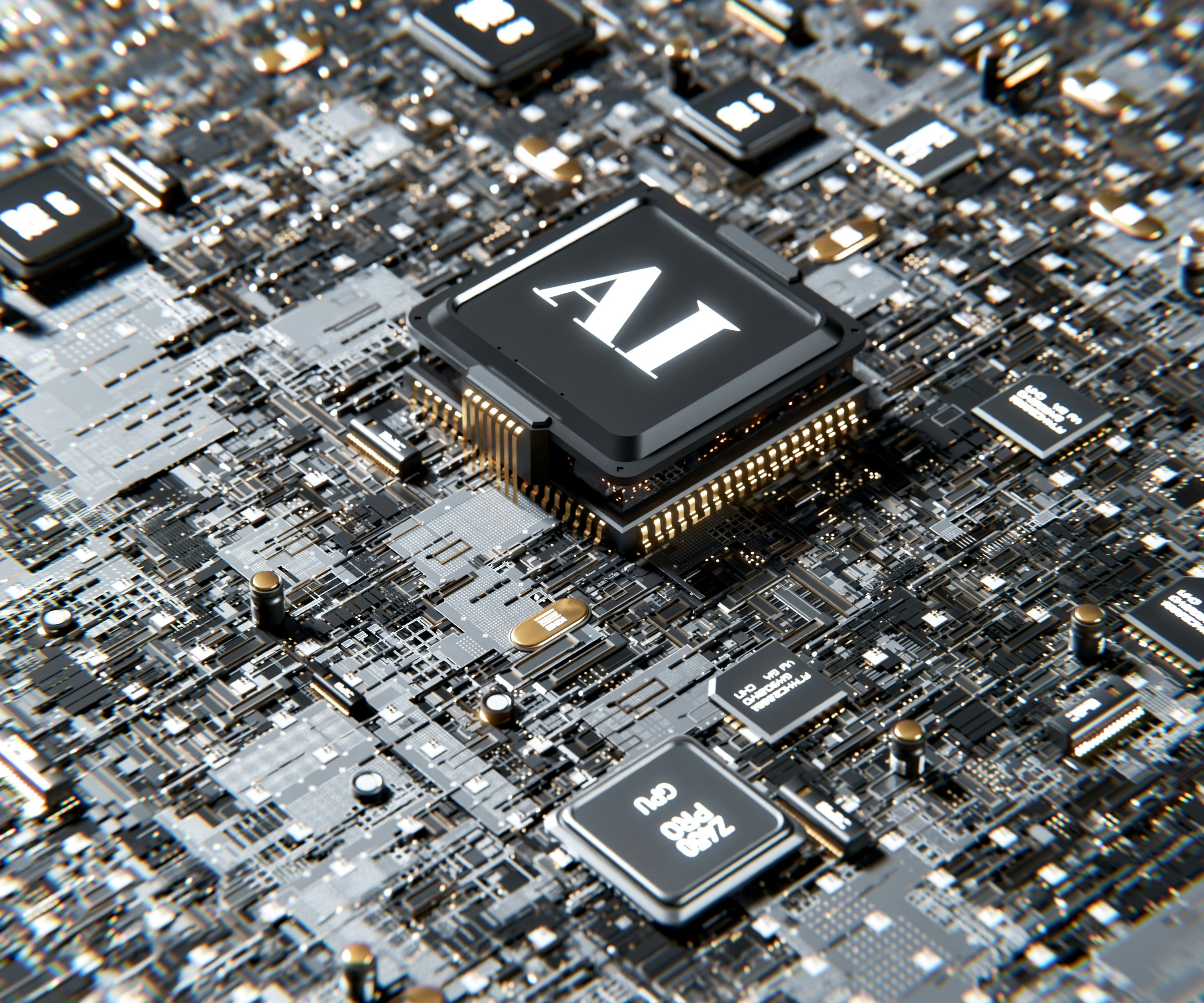
Together, these elements create a solid foundation for any private AI initiative.
Hardware: CPUs, GPUs, TPUs, and Storage
Hardware is the heart of any AI infrastructure. It determines the system's processing power and efficiency.
CPUs handle basic tasks but aren’t sufficient for deep learning. GPUs excel at running complex AI models by providing parallel processing capabilities.
TPUs, designed by Google, offer even faster processing for AI tasks. They specialize in tensor operations, making AI computations faster and more efficient.
Storage choices impact data access and speed. Solid-state drives (SSDs) provide quicker access to data, reducing latency in AI processes.
Key hardware elements include:
- CPUs for basic processing
- GPUs for parallel computation
- TPUs for tensor operations
- SSDs for fast data access

Selecting the right hardware balance is crucial for optimized performance in an AI infrastructure.
Networking and Connectivity
Networking and connectivity lay the groundwork for effective data exchange. Efficient data movement accelerates AI workloads and model training.
Bandwidth is important for transferring large data volumes swiftly. It ensures that data flows smoothly without causing bottlenecks.
Low latency is also crucial. It enables rapid communication between system components, enhancing synchronization.
A robust network infrastructure supports scalability. It allows the system to grow seamlessly as data and processing demands increase.
Essential networking factors include:
- High bandwidth for large data transfer
- Low latency for quick communication
- Scalability to accommodate growth

Solid networking ensures the private AI infrastructure remains agile and responsive, no matter the workload.
Software Stack and Enterprise AI Tools
The software stack forms the operational core of a private AI infrastructure. It includes frameworks, libraries, and tools needed for AI development.
Frameworks like TensorFlow and PyTorch are foundational. They support building and deploying complex AI models effortlessly.
Enterprise AI tools automate various processes. These include data preprocessing, model training, and deployment, enhancing productivity.
An effective software stack is customizable. It can be tailored to the organization's specific workflows and objectives.
Important software considerations include:
- Frameworks like TensorFlow and PyTorch
- Automated enterprise AI tools
- Customizable solutions for specific needs
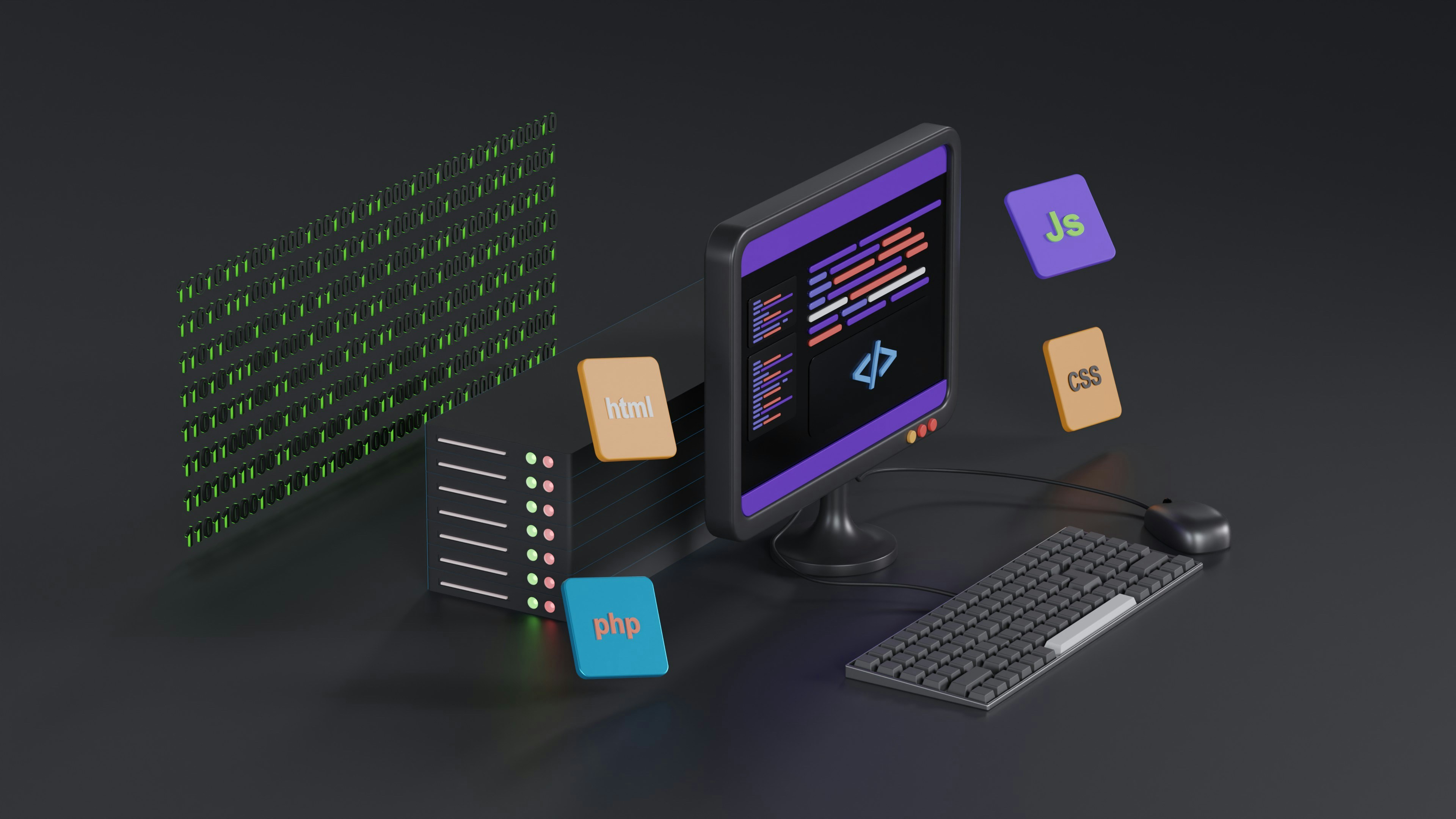
A well-chosen software stack enhances the infrastructure's capabilities, enabling it to meet both current and future AI challenges.
Building Your Private AI Infrastructure: Step-by-Step
Designing a private AI infrastructure involves careful planning and systematic execution. This structured approach ensures successful implementation.
Start with a clear understanding of data sensitivity. Knowing what data you will handle informs security and compliance needs.
Assess your performance requirements early. This step involves determining processing power and storage capabilities to meet future demands.
Security is paramount. Implement robust measures to safeguard sensitive information and maintain AI data privacy.
Integrate seamlessly with existing IT systems. Compatibility enhances efficiency and reduces operational hiccups.
Key steps to consider:
- Identify data sensitivity and security needs
- Determine performance and scalability requirements
- Design robust security measures
- Ensure integration with current IT systems

Implementing these steps in sequence builds a foundation for a scalable, secure AI system that evolves with your needs.
Assessing Data Sensitivity and Requirements
Understanding data sensitivity is the first step in AI infrastructure design. Sensitive data demands rigorous protection measures.
Identify data types that require the highest level of security. These could include personal, financial, or health-related information.
Classify data based on sensitivity levels. This helps prioritize security efforts to protect most vulnerable assets.
Determine specific requirements for each data category. This clarifies necessary security and compliance protocols.
Critical data assessment steps:
- Identify and categorize sensitive data
- Classify data by sensitivity levels
- Define specific security requirements

With these insights, organizations can tailor their AI infrastructure to protect and manage data effectively.
Designing for Scalability and Performance
Designing for scalability ensures your AI infrastructure accommodates growth effortlessly. Start by analyzing current and projected data loads.
Choose scalable hardware. Dynamic scaling capabilities in CPUs, GPUs, and storage allow for gradual and cost-efficient scaling.
Plan network expansions. This ensures bandwidth and latency levels are adequate as the infrastructure grows.
Optimize software configurations. Customized software solutions offer flexibility as data and processing needs increase.
Scalability and performance strategies include:
- Assessing data and processing projections
- Selecting scalable hardware solutions
- Planning network capacity expansions
- Customizing software for flexible growth

A focus on scalability avoids future bottlenecks and supports long-term operational success.
Security Measures and AI Data Privacy
Security and AI data privacy cannot be overstated. They form the cornerstone of any private AI infrastructure.
Employ encryption extensively. Encrypting data at rest and in transit minimizes the risk of unauthorized access.
Implement access controls rigorously. Restrictive access policies ensure that only authorized personnel handle sensitive information.
Regular security audits are vital. They help identify vulnerabilities and reinforce AI data privacy measures promptly.
Key security practices:
- Encrypt data at rest and in transit
- Establish and enforce access controls
- Conduct frequent security audits
A proactive security stance guards against breaches and sustains trust within the infrastructure.
Integration with Existing IT Systems
Seamless integration with current IT systems is crucial for efficiency. It minimizes disruptions and leverages existing resources.
Start with a comprehensive analysis of current systems. This helps identify compatibility issues before implementation begins.
Design APIs for interoperability. They ensure smooth data exchange between the AI infrastructure and existing systems.
Evaluate integration processes regularly. These assessments refine the system and improve alignment with changing business needs.
Integration checklist:
- Analyze existing IT systems for compatibility
- Develop APIs to facilitate smooth data exchange
- Regularly evaluate and refine integration processes
Effective integration establishes a synergy that enhances productivity and optimizes resource use.
Governance, Compliance, and AI Ethics
Governance, compliance, and ethics are the pillars of a responsible AI infrastructure. These elements ensure AI initiatives align with organizational and societal values.
Developing clear governance frameworks is critical. They guide the ethical use and deployment of AI technologies across the enterprise.
Compliance with regulatory standards is a legal necessity. It safeguards your organization against fines and reputational harm.
AI ethics involves making decisions that consider fairness, transparency, and accountability. Ethical AI enhances trust and user acceptance.
To establish a robust governance structure:
- Create comprehensive policies addressing ethical AI use
- Ensure compliance with local and international regulations
- Regularly update governance frameworks based on evolving standards

Focus on governance, compliance, and ethics not only protects your organization but also aligns it with broader societal values.
Developing Clear Governance Policies
Establishing governance policies for AI involves setting clear ethical boundaries and operational procedures. They define how AI technologies should be implemented and managed.
Start by identifying relevant stakeholders. Include decision-makers from IT, legal, and business sectors to ensure diverse perspectives.
Develop a framework covering ethical guidelines, accountability measures, and decision-making processes. Clarity in governance avoids misinterpretation and inconsistency.
Regular policy reviews keep guidelines relevant. Update them according to technological advancements and ethical standards.
Critical policy development steps:
- Identify and involve key stakeholders
- Draft comprehensive guidelines and accountability measures
- Conduct regular policy reviews and updates

These policies guide the organization towards responsible and ethical AI usage.
Meeting Regulatory and Industry Compliance
Compliance ensures AI infrastructure operations adhere to legal requirements. These include data protection, consumer rights, and industry standards.
Begin by understanding applicable regulations. Whether GDPR or local data protection laws, compliance is non-negotiable.
Implement compliance checks. Routine assessments detect and address non-compliance issues promptly.
Training staff is essential. Ensure employees are aware of compliance protocols and their roles in maintaining them.
Compliance strategy highlights:
- Familiarize with relevant regulatory frameworks
- Conduct routine compliance assessments
- Train staff on compliance obligations and procedures

Compliance fortifies your AI infrastructure, safeguarding against legal pitfalls and fostering a culture of integrity.
Managing and Maintaining Private AI Infrastructure
Efficient management and maintenance of your private AI infrastructure are vital for sustained performance. Robust procedures keep systems operational and secure.
Regular monitoring detects performance bottlenecks and potential failures. This allows for timely interventions that can prevent costly downtimes.
Continuous optimization ensures the infrastructure supports evolving AI workloads. Adapting to changes in data size and processing needs maintains efficiency.
A proactive approach to maintenance extends system life. Consistent updates and patches safeguard against vulnerabilities.
Key management practices include:
- Implementing real-time monitoring systems
- Regularly reviewing and updating performance metrics
- Scheduling routine maintenance and updates
by Markus Winkler (https://unsplash.com/@markuswinkler)
Effective management and maintenance are pillars for enduring AI infrastructure efficiency and security.
Monitoring, Maintenance, and Optimization
Continuous monitoring provides insights into infrastructure performance, identifying areas for improvement. Proactive surveillance minimizes disruption risks.
Implement automated alerts for critical metrics. These notifications enable quick responses to irregularities or system outages.
Regular maintenance, such as software updates and hardware checks, is imperative. Consistent checks prevent failures and extend component lifespan.
Optimize system performance by analyzing data flow and processing efficiency. Adjust configurations to better suit workload demands.
Key monitoring and optimization tasks:
- Set up automated alerts for key performance indicators
- Conduct routine system checks and updates
- Analyze and optimize processing workflows
These steps maintain a robust, efficient, and reliable AI infrastructure.
Training and Upskilling Staff
Investing in employee development is crucial for managing AI infrastructure. Skilled personnel ensure seamless operations and innovation.
Identify current skill gaps through comprehensive assessments. Understanding team competencies informs targeted training plans.
Offer ongoing training programs tailored to AI technologies. These should cover both basic operations and advanced infrastructure management.
Encourage a culture of continuous learning. Keep staff updated on industry trends and emerging tools.
Steps to enhance staff expertise:
- Conduct regular skill gap assessments
- Develop custom training programs
- Foster a continuous learning environment

Well-trained staff are key to unlocking your AI infrastructure's full potential and ensuring it evolves with the industry.
Hybrid and Edge AI: Extending Private Infrastructure
Hybrid and edge AI offer new opportunities for enhancing AI infrastructure. These approaches provide flexibility and increased processing efficiency.
Hybrid AI integrates private and public cloud resources. It allows for balancing security with scalability, harnessing both controlled and expansive resources.
Edge AI processes data closer to its source. This reduces latency and increases processing speeds, critical for real-time decision-making.
Combining these models can create a highly responsive and adaptable AI infrastructure. This setup caters to diverse needs and enhances overall system performance.
Key advantages include:
- Enhanced scalability with cloud resources
- Real-time insights from edge computing
- Improved data management flexibility
These innovations represent the next step in AI infrastructure evolution, bridging the gap between security, scalability, and speed.
Hybrid AI Models: Combining Private and Public Resources
Hybrid AI models leverage both private infrastructure and public cloud. This mix addresses the need for both control and scalability.
By using private resources for sensitive tasks, data privacy is maintained. Simultaneously, public resources handle less sensitive, scalable tasks.
Hybrid models optimize cost by reducing the need for large on-premises resources. They offer flexibility in scaling AI applications as demand grows.
Benefits of hybrid AI include:
- Balanced security and scalability
- Cost efficiencies via resource optimization
- Flexible deployment across environments

These models empower organizations to capitalize on the strengths of both private and public AI solutions, enhancing their capabilities.
Edge AI: Bringing Intelligence Closer to Data Sources
Edge AI places computational power at data collection points. This setup allows for immediate analysis and response.
Processing data locally minimizes latency, which is vital for time-sensitive applications. Industries like autonomous driving and IoT benefit greatly from this capability.
Edge AI reduces bandwidth usage by processing data at its source, only sending essential information back to central servers.
Key aspects of edge AI include:
- Reduced latency for real-time applications
- Decreased bandwidth and data transmission costs
- Enhanced local processing capabilities

Edge AI brings significant advantages to AI infrastructures, especially where speed and local processing are critical. It's a transformative step in AI deployment strategies.
Case Studies: Successful Private AI Infrastructure Deployments
Successful case studies provide insight into the benefits of private AI infrastructure. They demonstrate real-world implementations across various industries, showcasing innovation and best practices.
Organizations in sectors like healthcare and finance have embraced private AI. These sectors often have strict regulatory requirements and demand high data security.
One prominent healthcare company developed a private AI infrastructure to safeguard patient data. This setup allowed them to comply with stringent health data regulations.
In the finance industry, a bank utilized private AI tools to enhance data privacy while processing transactions. This increased security without sacrificing processing speed.
Manufacturing companies have also benefited. One firm used private AI to integrate AI with their existing machinery, improving efficiency and reducing downtime.
These examples underline the advantages of:
- Enhanced compliance and data privacy
- Improved performance and cost savings
- Custom solutions tailored to industry needs


Such deployments not only address compliance but also drive innovation, setting the stage for further advancements in AI infrastructure across industries.
Industry Use Cases: Healthcare, Finance, Manufacturing, and More
In healthcare, private AI plays a pivotal role by ensuring patient data remains confidential. Hospitals use AI to analyze patient records securely, leading to better patient outcomes.
Finance institutions require secure and speedy processing of complex financial data. Private AI infrastructures help manage these needs while safeguarding sensitive data against breaches.
Manufacturing companies leverage private AI to optimize production lines. AI tools predict equipment failures, thus preemptively addressing maintenance needs.
In retail, private AI enhances customer experience by personalizing marketing. This reduces data sharing with third parties, preserving customer privacy.
Key benefits seen across sectors include:
- Compliance with industry regulations
- Tailored AI solutions fitting specific needs
- Increased operational efficiency


These diverse applications highlight how private AI infrastructure not only meets industry-specific needs but also propels innovation and efficiency across sectors.
Challenges and Future Trends in Private AI Infrastructure
Building private AI infrastructure comes with its own set of challenges. High initial costs, technical complexity, and data integration hurdles can be significant barriers.
Security is also a concern. Ensuring robust measures against unauthorized access is crucial.
Another challenge is the need for specialized skills. Skilled personnel are essential for operation and maintenance.
However, the future holds promising trends. Advances in AI chips can enhance processing capabilities.
Hybrid models blending private and public resources offer flexibility.
Key challenges include:
- High costs and complex integration
- Security vulnerabilities
- Skill gap in AI management

The continuing advancements in AI technology are likely to address these challenges, fostering wider adoption of private AI infrastructures.
Overcoming Common Obstacles
Addressing the obstacles in deploying private AI infrastructure requires strategic planning. Budget constraints can be eased through phased implementation.
Technical complexity is manageable with comprehensive training programs. Investing in personnel skills is crucial for maintenance and innovation.
Security can be bolstered by integrating encryption and robust access controls.
Another way to mitigate costs is by sharing resources within hybrid models.
Essential strategies include:
- Phased deployment plans
- Training and skill development
- Enhanced security protocols

These strategies enable businesses to effectively navigate the complexities of private AI infrastructure, ensuring success and sustainability.
The Future of Private AI Infrastructure
The trajectory for private AI infrastructure is marked by innovation and growth. As AI technology matures, efficiency in computing resources is expected to improve.
The rise of AI chips that enhance performance will be pivotal.
Meanwhile, the integration of AI with IoT devices and edge computing will extend AI's reach. This blend enhances decision-making and scalability.
Emerging trends:
- Advanced AI chips for better performance
- IoT and edge computing integration
- Scalability through hybrid models

These developments foreshadow a future where private AI infrastructures are more accessible, scalable, and integral to enterprise success.
Conclusion: Is Private AI Infrastructure Right for You?
Deciding if private AI infrastructure suits your organization requires careful consideration. Weigh the benefits of enhanced security and control against the potential high initial costs.
Examine your current infrastructure capability and readiness for AI. Consider if you have or can acquire the skilled personnel needed for successful implementation.
Ultimately, a tailored analysis of business needs and goals will guide your decision. If you aim for high customization, data privacy, and long-term cost-effectiveness, private AI infrastructure might just be the right path forward.
Related Articles
Recommended Reading
-
How Paged Attention Manages Inference KV Cache
-
Google Cloud GPU Pricing: What Enterprise AI Teams Should Evaluate Before Provisioning
-
Paperspace Pricing 2026: GPU Cost Breakdown
-
AI Infrastructure Costs: Controlling Enterprise GPU Spending
-
CoreWeave Enterprise GPU Cloud: Evaluation for AI Teams
-
CoreWeave vs Lambda Labs: GPU Cloud Provider Comparison
-
AWS GPU Pricing: Instance Types, Cost Structure & Alternatives Guide
-
CoreWeave Alternatives: Compare GPU Clouds
latest articles
-
Cost-Effective Isolated GPU Compute and When Single-Tenant Wins
-
Single-Tenant GPU for Confidential AI Workloads: Isolation Without TEE Overhead
-
GPU Cluster Provisioning and Deployment: From Racking to First Training Run
-
HIPAA-Ready LLM Hosting: Making Your Model Deployment Compliant
-
HIPAA-Ready H100 Hosting: How to Verify Scope for Enterprise PHI
-
How Much GPU Cluster Bandwidth AI Training Actually Needs
-
On-Shore GPU for HIPAA Workloads and Why Jurisdiction Matters
-
AI Infrastructure Providers for Startups: Credit Programs, Pricing, and Selection
-
GPU Cloud Service Model Comparison for Healthcare Teams
-
H100 GPU Cluster Rental Pricing and Contract Terms Explained