
Storage Cost for AI Workloads and How to Budget for It
Storage cost for AI workloads is driven by capacity, throughput tier, checkpoint volume and retention, and data lifecycle — and the hidden costs come from throughput tiering that is undersized for AI and from checkpoints retained without a lifecycle policy. For the storage capacity planning, see storage capacity planning for AI. For the architecture requirements, see AI storage architecture requirements.
Storage Cost Drivers
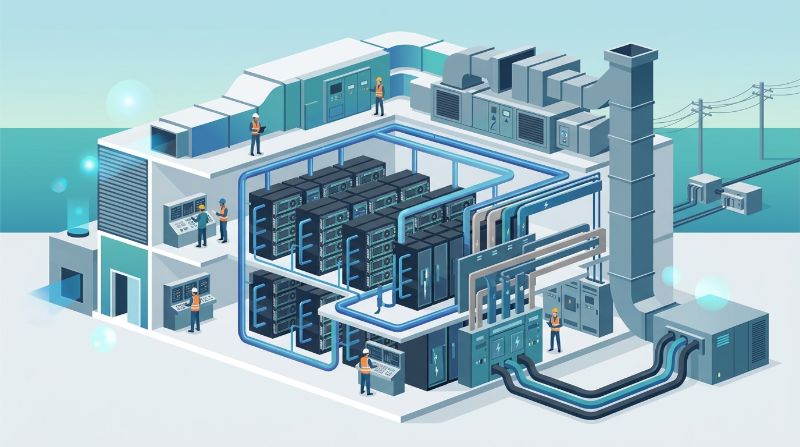
Capacity: raw storage volume for datasets, checkpoints, logs, and vector databases — the most visible cost. Throughput tier: AI workloads need high throughput, not just capacity. Enterprise storage tiers priced for capacity often cannot deliver the throughput GPUs demand; upgrading to HPC or parallel filesystem tiers adds cost but prevents GPU starvation. Checkpoint volume: each training run produces checkpoints, and the volume scales with model size, frequency, and retention — without policies, checkpoints accumulate silently and inflate storage costs. Data lifecycle: data retained beyond its useful life costs money. Apply retention policies to datasets, checkpoints, and logs. For checkpoint governance, see checkpoint storage architecture.
| Cost driver | How to budget |
|---|---|
| Capacity | Estimate dataset × versions + checkpoints + logs |
| Throughput tier | Match tier to GPU consumption rate — not capacity rate |
| Checkpoint volume | Frequency × size × retention × concurrent runs |
| Lifecycle | Retention policy that ages out old data |
FAQ
What drives AI storage cost?
Capacity, throughput tier, checkpoint volume, and data lifecycle. The hidden cost is throughput tier undersized for AI — capacity-grade storage is cheaper but starves GPUs. Budget for throughput, not just capacity. See the drivers above.
Summary
AI storage cost is capacity + throughput + checkpoints + lifecycle. For the full framework, see storage capacity planning.
Related Articles
Recommended Reading
latest articles
-
GPU Hardware Spares and RMA: Fleet Logistics and Downtime Risk
-
AI Infrastructure Energy Reporting: What Enterprises Should Measure
-
Balanced Bandwidth per GPU: Sizing Cluster Networks for LLM Training
-
Model Flops Utilization: Why Training Efficiency Collapses and How to Fix It
-
How Much Spare GPU Capacity Inference Needs for Failover
-
Multi-Cloud GPU Management Overhead: The Hidden Cost of Split Estates
-
ITAR vs CUI for GPU Hosting: Controls That Actually Differ
-
RAG Corpus Refresh: Reindexing, Re-Embedding, and Freshness Operations
-
How to Cut LLM Latency Without Buying More GPUs
-
Batch vs Real-Time LLM Inference: When to Batch and What It Saves